

The five formats
01Format
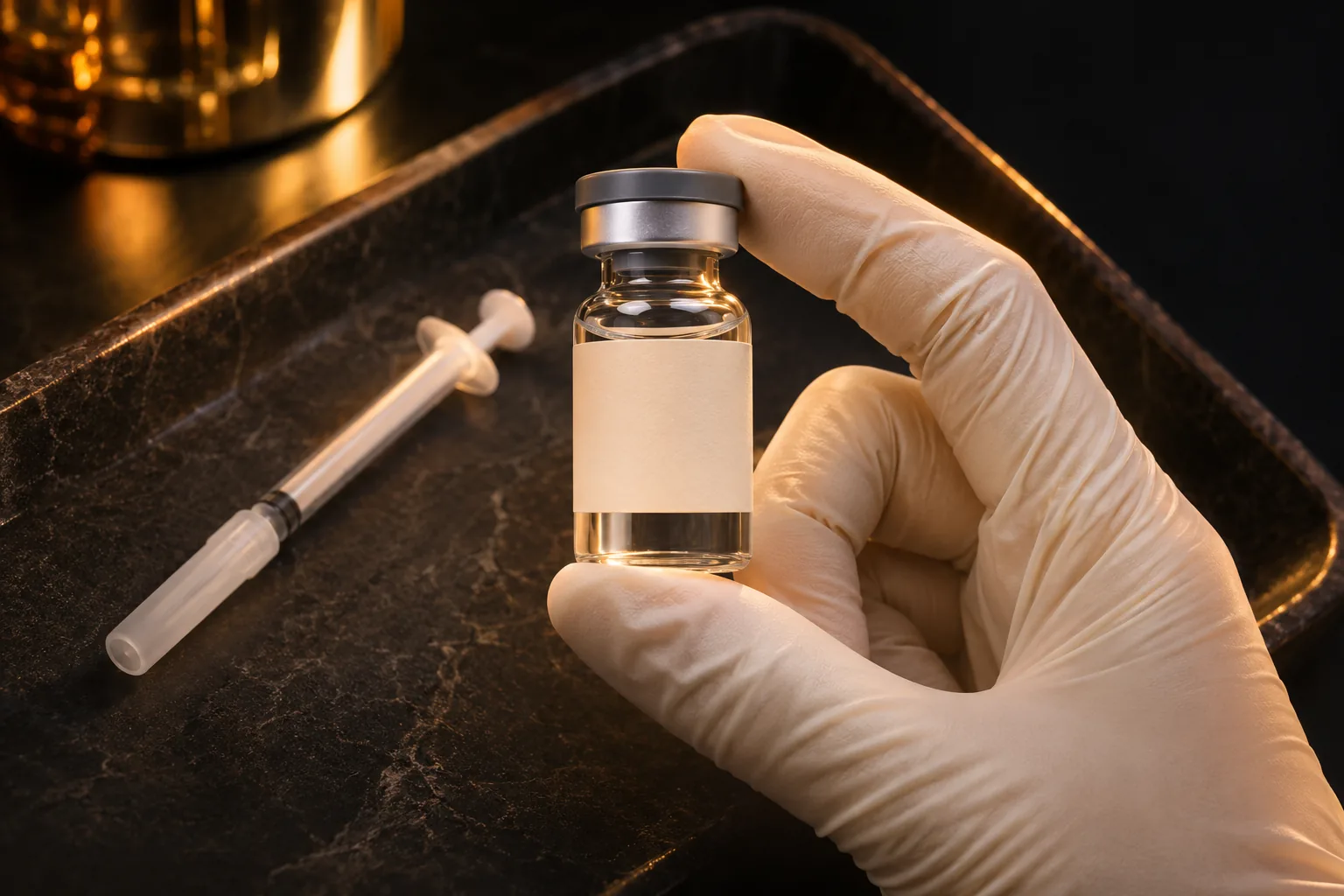
Subcutaneous
Maximum bioavailability for systemic therapeutics.
Subcutaneous administration bypasses first-pass metabolism. Used when precision dosing, predictable absorption, and rapid onset matter most.
The peptide is half the answer. The other half is how it gets there. We design every product around the format that fits its mechanism, not the other way around.
Subcutaneous administration bypasses first-pass metabolism. Used when precision dosing, predictable absorption, and rapid onset matter most.
Patches deliver peptides through the skin barrier over hours to days. Ideal where steady serum levels matter more than peak concentration.

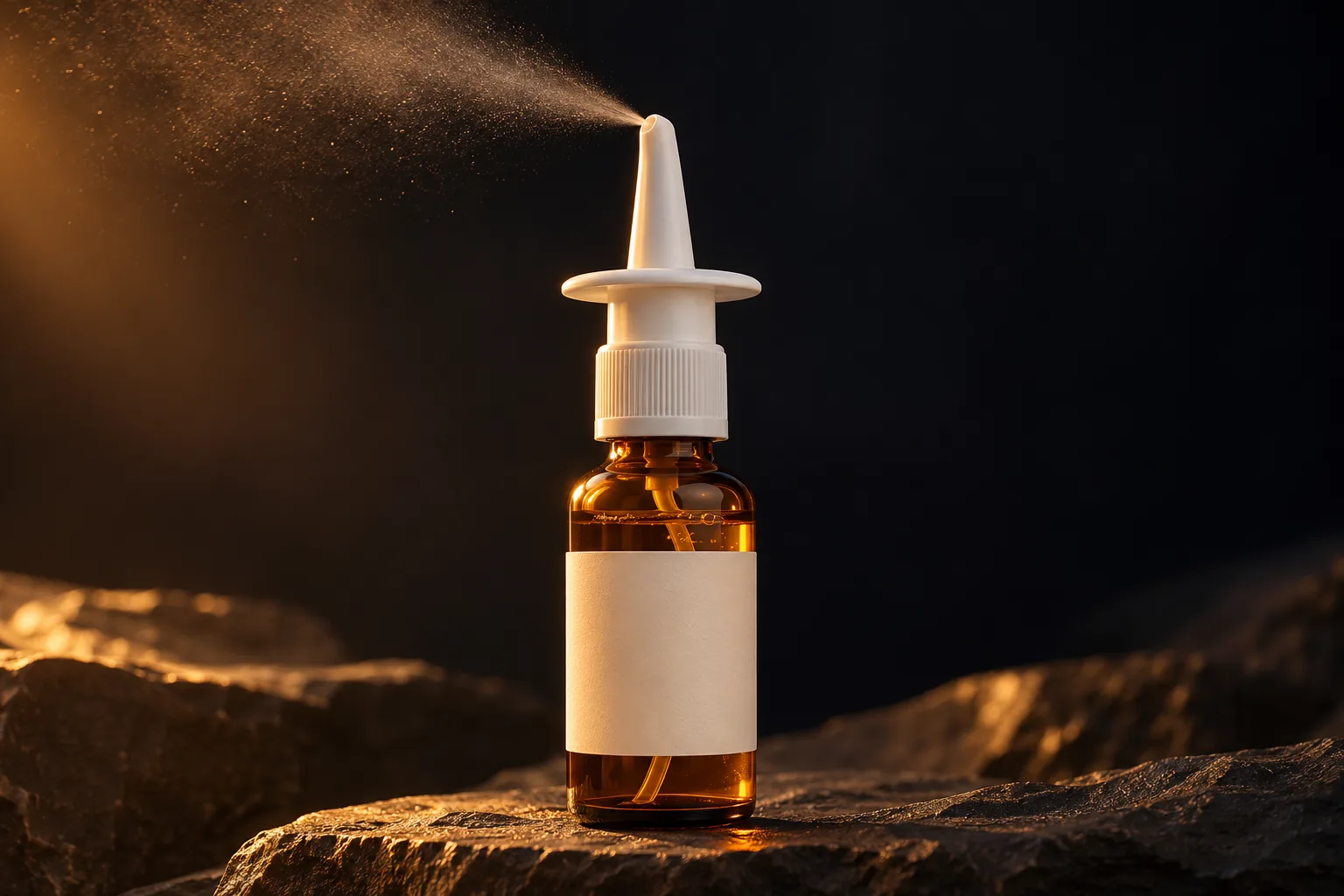
Intranasal delivery can route certain peptides toward the central nervous system, bypassing the blood-brain barrier. This mechanism is of particular interest in research related to cognitive and neurological health.
Stabilized formulations allow select peptides to survive the gastrointestinal tract. Convenience expands adherence, particularly for long-term protocols.

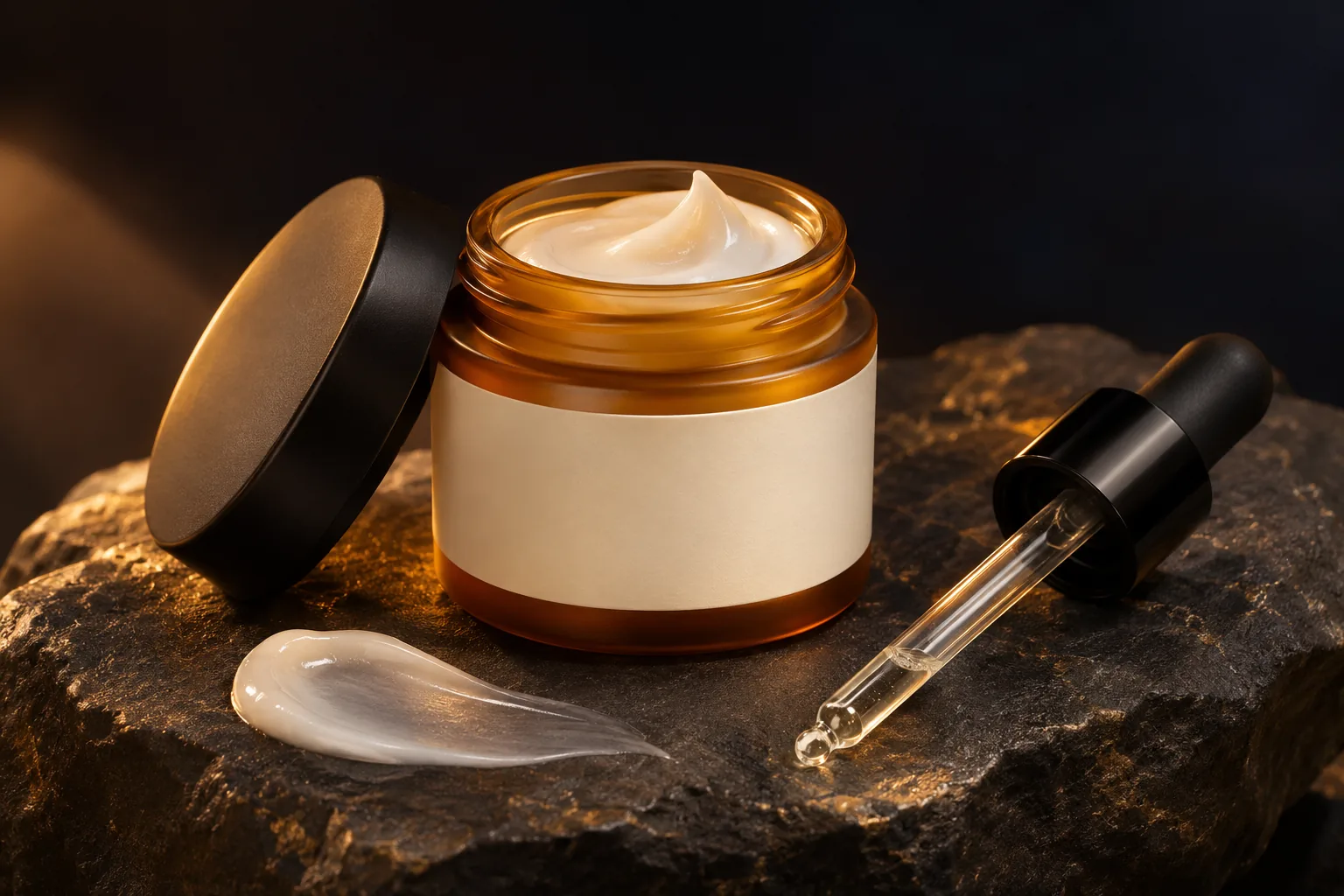
Topical formulations deliver peptides directly to skin and underlying tissue. Used for dermatologic, regenerative, and aesthetic applications.
Whatever the format, a peptide’s journey through the body follows the same four stages. The format mainly changes the first one: how, where and how quickly the peptide is absorbed.
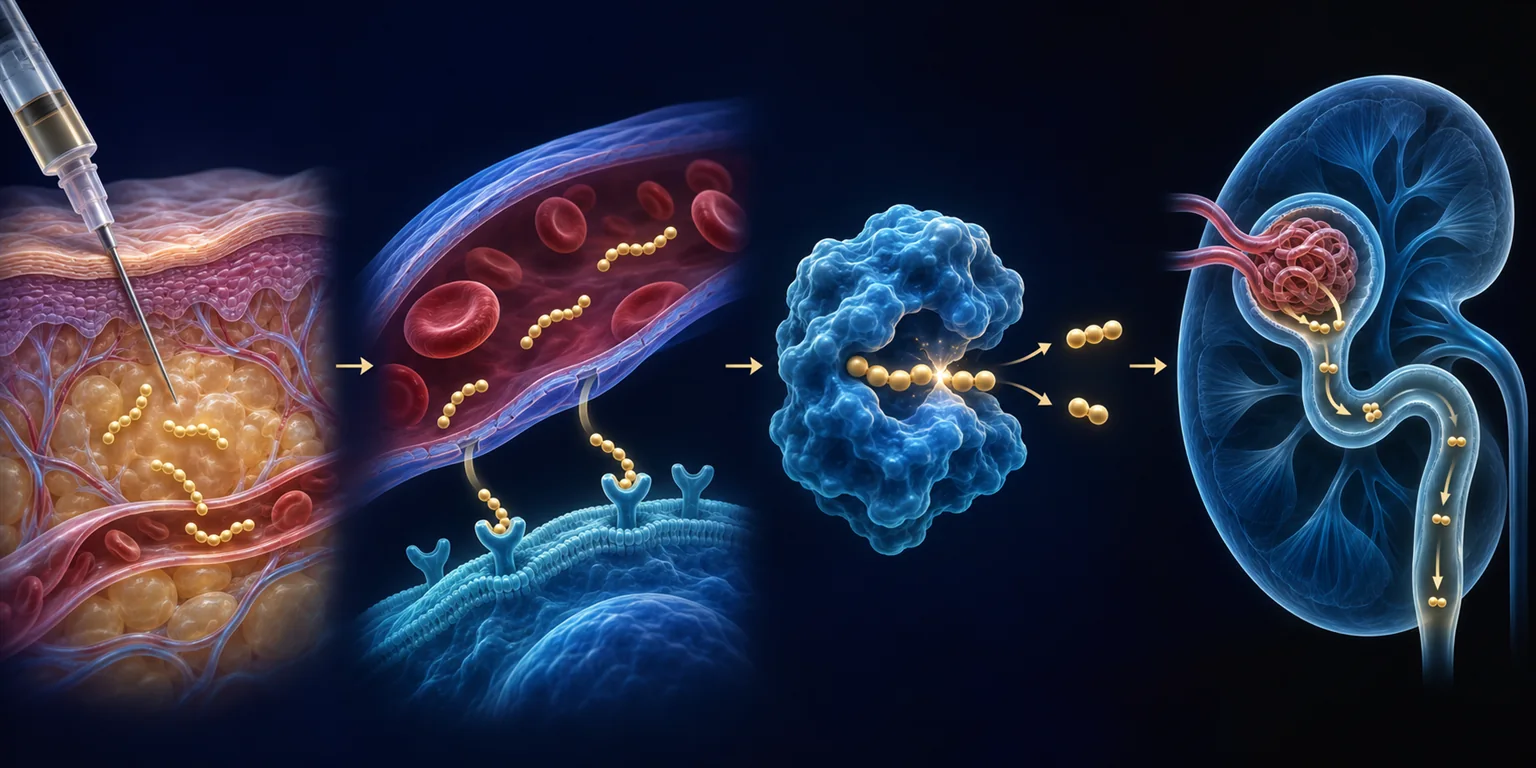
Left to right: the peptide is absorbed from where it was given into the bloodstream, carried to the target tissue where it meets its receptors, broken into fragments by enzymes, and finally cleared by the kidneys.
Delivery format descriptions are mechanistic and educational. The selection of an appropriate delivery format for a specific patient is a clinical decision made by a licensed prescriber. No delivery format is universally appropriate for all patients or indications. These statements have not been evaluated by the FDA.
Disclaimer: The information provided on this website is intended for general educational and informational purposes only. Vesalius Longevity Labs provides information relating to peptide science, longevity, wellness, metabolic health, and emerging areas of medical research.
FDA Approval & Investigational Therapies: Not all peptides, compounds, medications, or therapies discussed or referenced on this website are approved by the U.S. Food and Drug Administration (FDA). Certain compounds may be investigational, have limited clinical evidence, or lack established long-term safety and efficacy data. References to scientific research, emerging therapies, or potential health benefits are provided for informational purposes and should not be interpreted as claims of FDA approval, established clinical effectiveness, or guaranteed therapeutic outcomes. Where legally permitted, certain medications may be compounded by appropriately licensed pharmacies in accordance with applicable federal and state laws. Compounded medications are not FDA-approved, and FDA does not review them for safety, effectiveness, or quality before marketing in the same manner as FDA-approved medications. Read the full disclaimer.